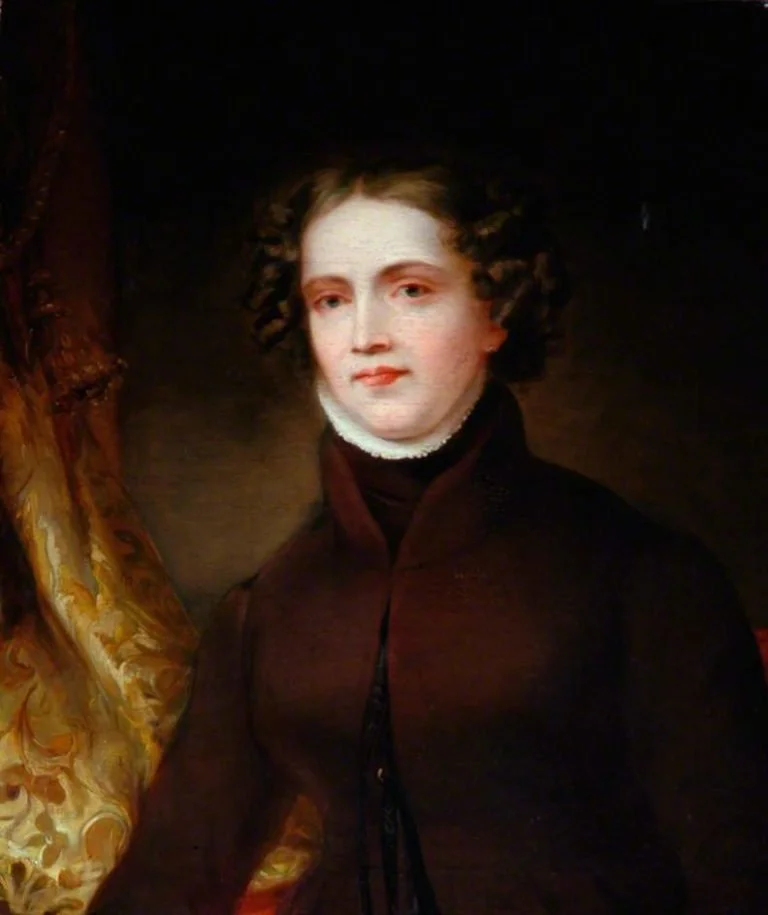
Anne Lister
English landowner, diarist and lesbian (1791–1840) born in Halifax
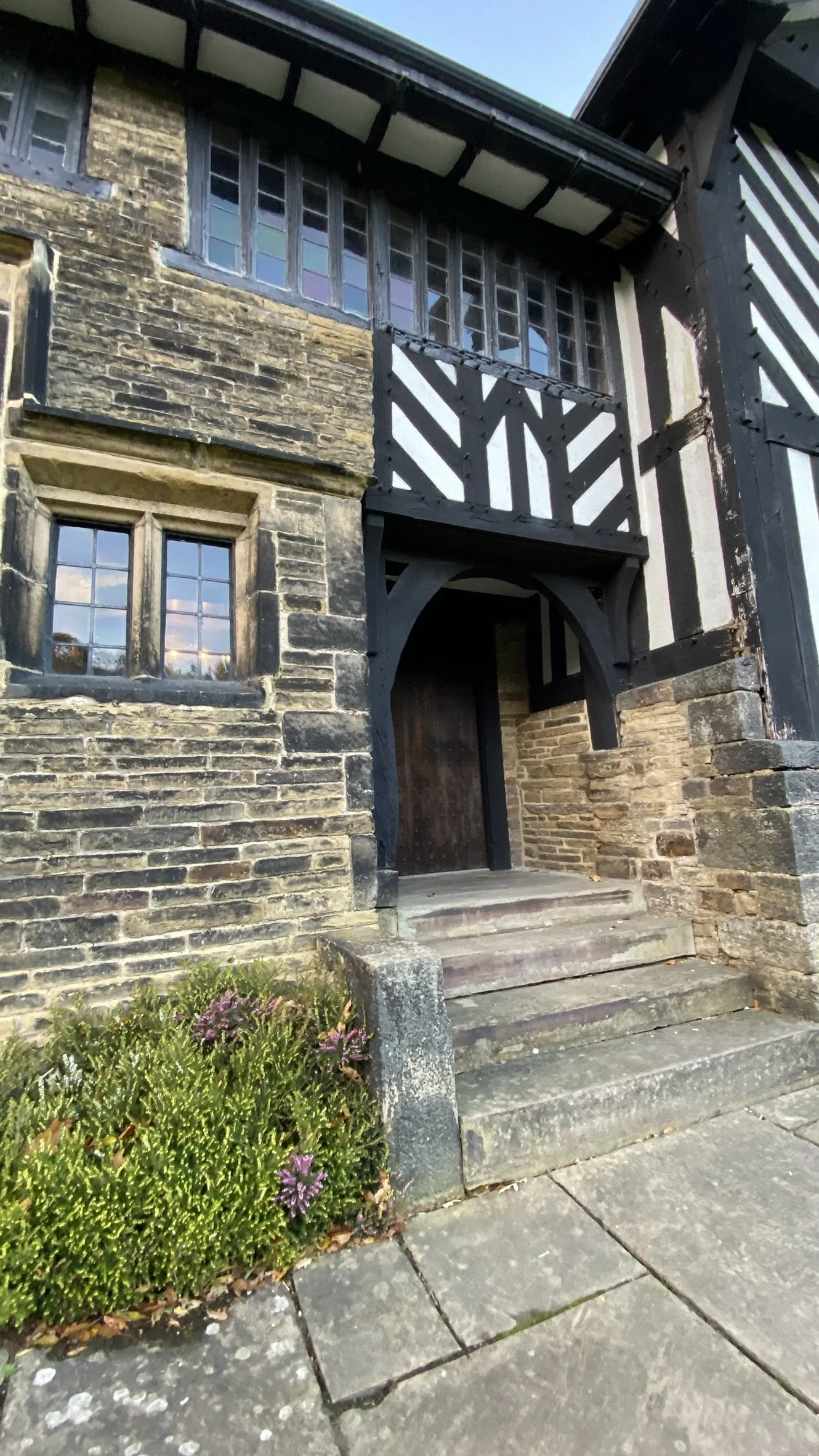
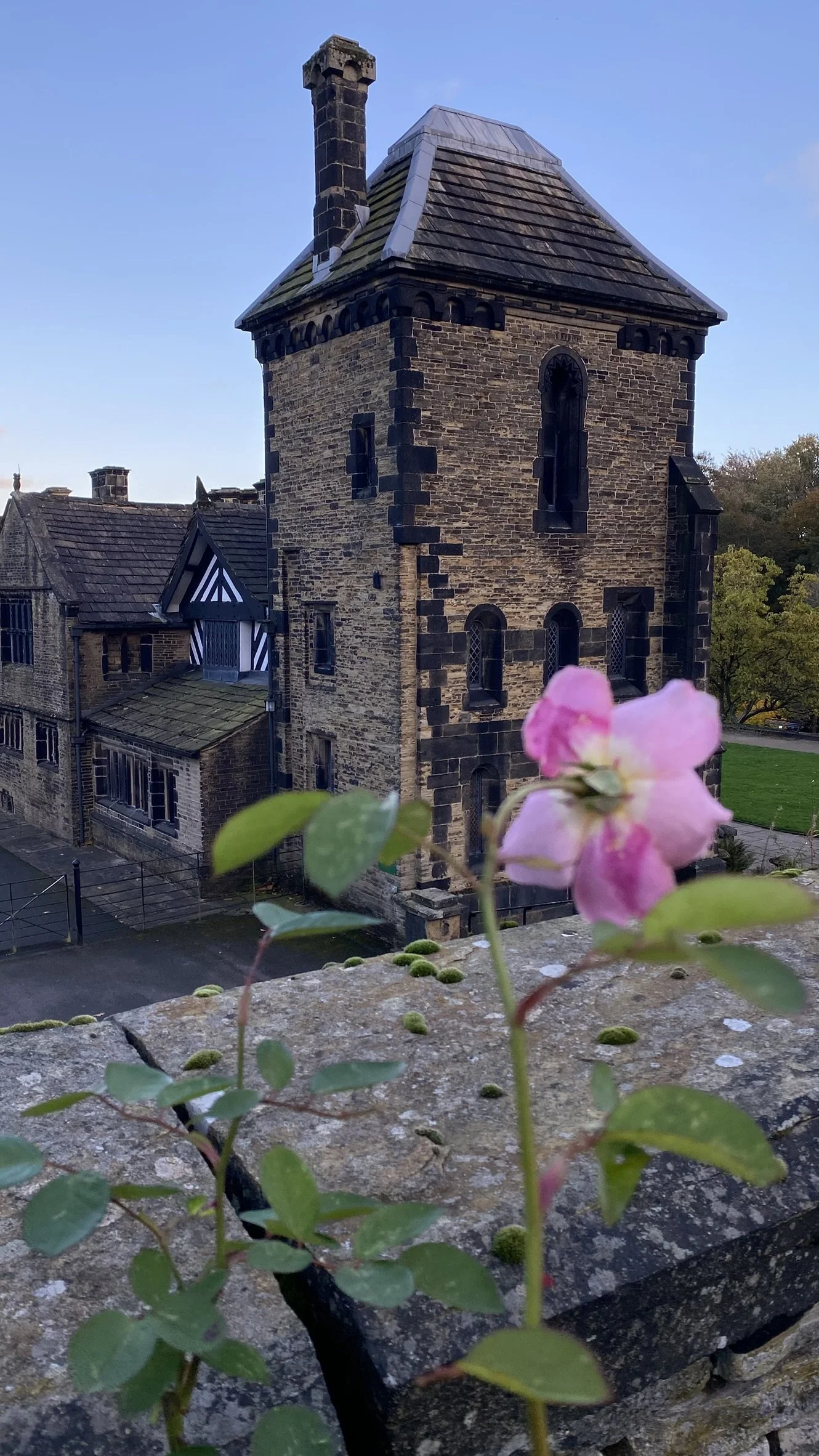
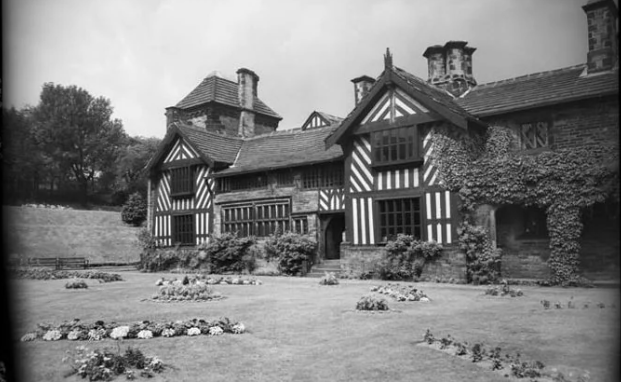
Shibden Hall
Was perfect as it was at the time, quite isolated.
After all her brothers died, she inherited the Shibden Hall estate from her uncle as the only heir and made it her base - nicely set away from Halifax and quite private and tucked away.
After inheriting the Lister business and land, Anne Lister developed her own colliery, recognising a business opportunity during the Industrial Revolution amid tough (and at times aggressive) competition from other local colliery owners. She proved to be a smart business owner and serious entrepreneur, which was very rare for women then.
Anne also lived at Shibden Hall with Ann Walker until her death.
Her diaries reveal a lesbian life.
Anne Lister started writing journals when she was around 15, which was around the same time as her first lesbian relationship with Eliza Rain (an illegitimate, half-Indian daughter of an East India Company surgeon) when they shared a bedroom at a boarding school in York.
For many years, though, all this history wasn’t known, as she wrote her journal entries in code, what she called “crypt-hand” - it was in the passages where it became clear she was a “lover of women”. It was a family descendant in the mid 1890s, John Lister, who discovered the code and cracked some of it; however, he soon discovered the lesbian content, and while he didn’t want to destroy this, the journals were hidden by John for fear of being outed as gay himself. People found the journals in Shibden Hall after he died.
Helena Whitbread decoded her diaries and dedicated years of her life to ensuring Anne’s life and diaries are remembered respectfully. Hear Helena talk in detail about this here: https://youtu.be/Jfs297sN7bc?si=hCM07lU_uBB2eqJV
In this crypt-hand, she wrote about her life and her lovers in quite explicit detail, so explicit, in fact, that it was clear she was having sexual relationships with other women.
Anne Lister is known now as “Gentleman Jack” - a nickname she did not have at the time - there is no evidence for this - but it certainly gives a feeling of how she could have been perceived at the time. The name highlights that she didn’t present herself as “lady-like”. She dressed in black, which was normal for men at the time; for unmarried women, it would have been white. She engaged in “men's activities”, such as being a successful entrepreneur; she was known for her “mannish gait”, androgynous looks, and, of course, not having children and settling down with another woman.
She wrote in her diary that people tended to stare at her and that she was often joked about or slewed comments were made: ‘That’s a man!’ and ‘Does your cock stand?’
She was, in a way, what we might now call “butch”.
Anne Lister's story was brought to a mass audience through the series “Gentleman Jack” by the BBC .https://www.bbc.co.uk/programmes/m00059m9