Riders must carry sufficient clothing and equipment to survive an emergency situation.
1/10. Plan ahead
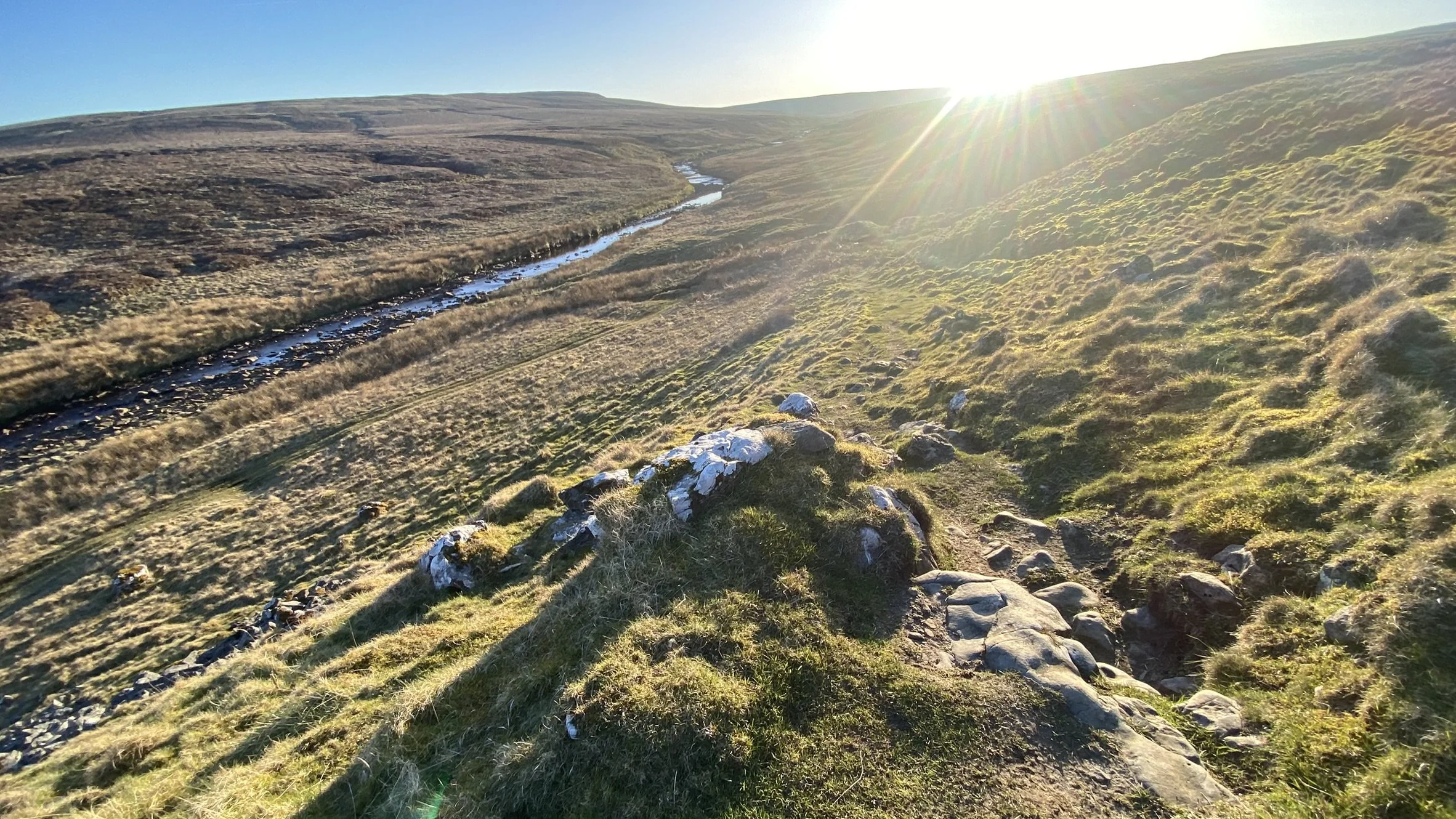
Riders should pack and carry sufficient gear that helps them endure adverse weather conditions on exposed high ground, and unforeseen mechanicals that may necessitate you seeking shelter on open moorland situated high above the valley floor.
2/10. Shelter
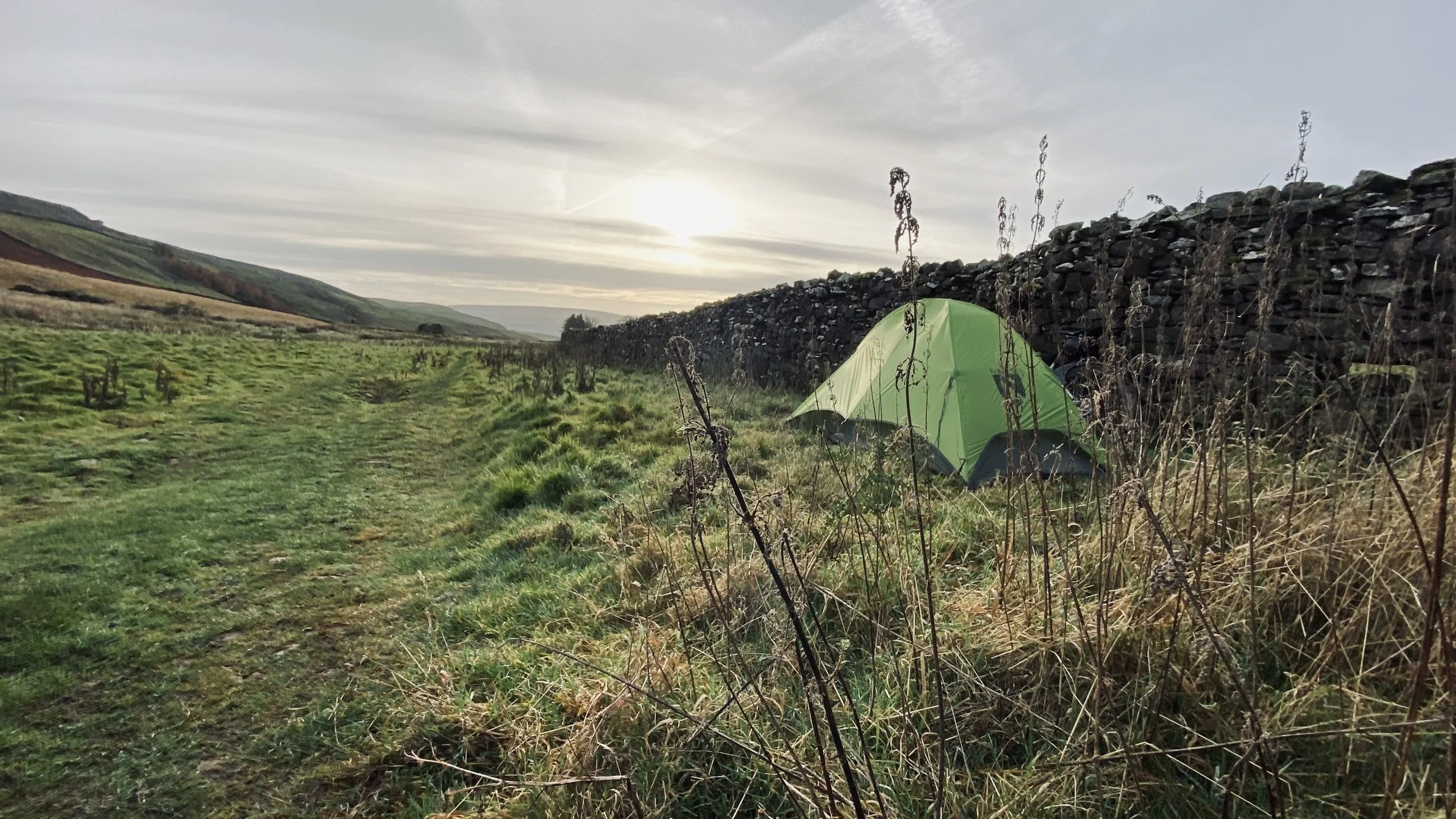
- Emergency foil survival blanket, bivvy bag or tent.
3/10. Clothing and equipment
- Cycling helmet
- Beanie, buff, or equivalent
- Waterproof jacket
- Warm upper layer (puffer jacket or fleece).
- Windproof / waterproof gloves.
- Full leg covering, e.g. tights, or leg warmers.
4/10. Navigation/ tracking
- Satellite GPS Tracker - provided.
- GPS loaded with a gpx of the route.
- Fully charged mobile phone.
5/10. Lighting/ visibility
- Front light
- Rear light
- Reflective vest, bands, or equivalent.
6/10. First Aid
A basic kit with items including:
Plasters and sterile wound dressings, support tape or elastic bandage, pain relief (e.g., paracetamol), antiseptic wipes, any personal prescription medications.
7/10. Repair Kit
Tools suitable for your bike.
Chain breaker and quick links.
Tyre repair/inner tubes.
Pump
8/10. Hydration & Nutrition
A minimum of 1 litre of water capacity.
Emergency rations.
9/10. Plan ahead
Riders should proceed with the assumption that something will go wrong and that they will be stranded on a remote stretch of moorland and so the above is a "minimum kit".
It is the riders responsibility and a minimum requirement only.
Riders should check the weather forecast and use their previous experience and sound judgement to decide what to wear and carry.
10/10. Recommended extra clothing and equipment
Riders should think about:
- Waterproof trousers.
- Spare warm clothing.
- Insulated ground mat.
- Sleeping bag.
- Spare front and rear lights.
- Dynamo or power bank to charge lights.
- Spare navigation device with the route loaded (GPS or smartphone).
- Means to carry extra water or purify open mountain water safely.
- Repair stuff... Cable ties, tape.
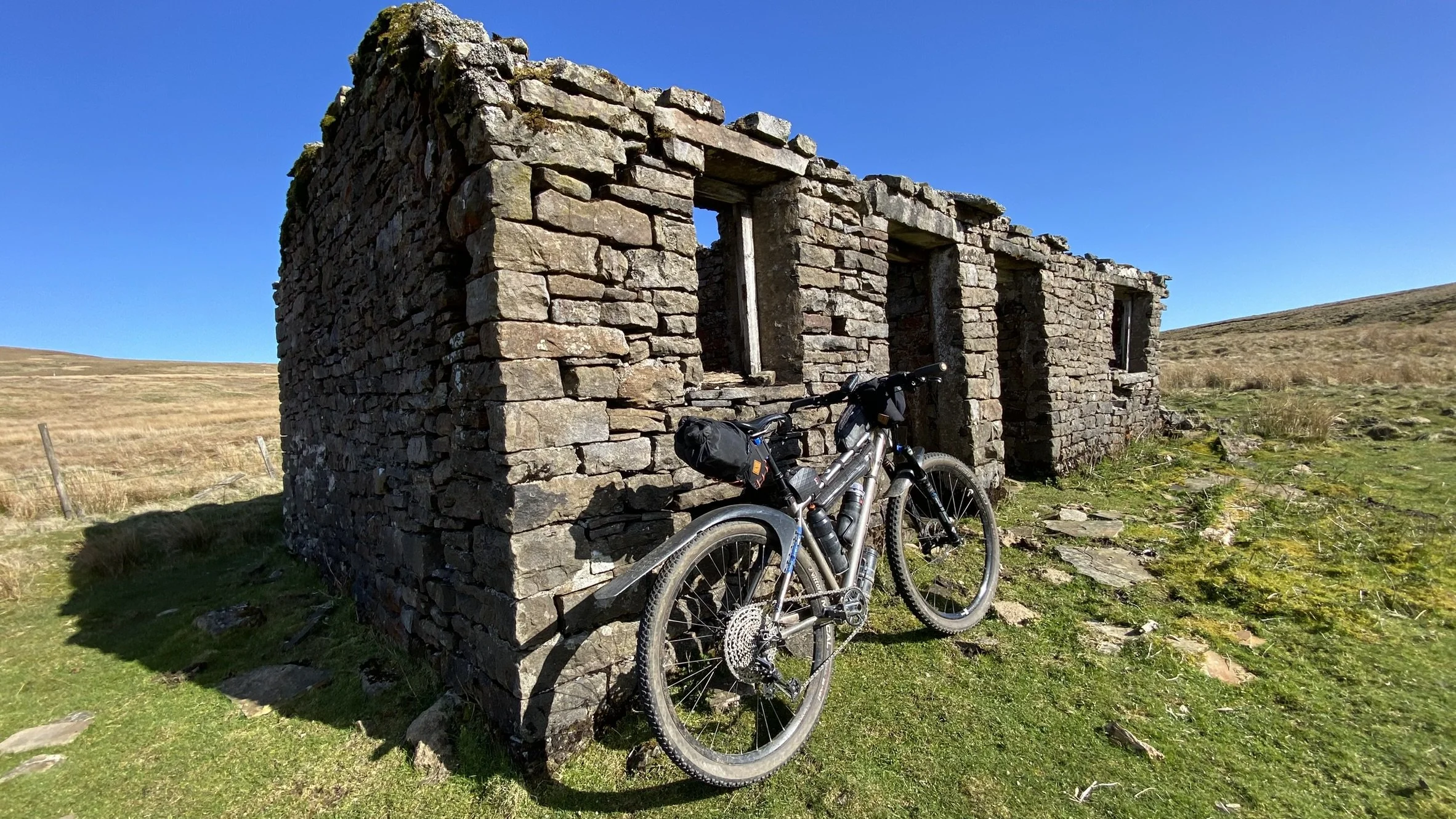
This might be your shelter for the night so it is of upmost importance to pack accordingly.
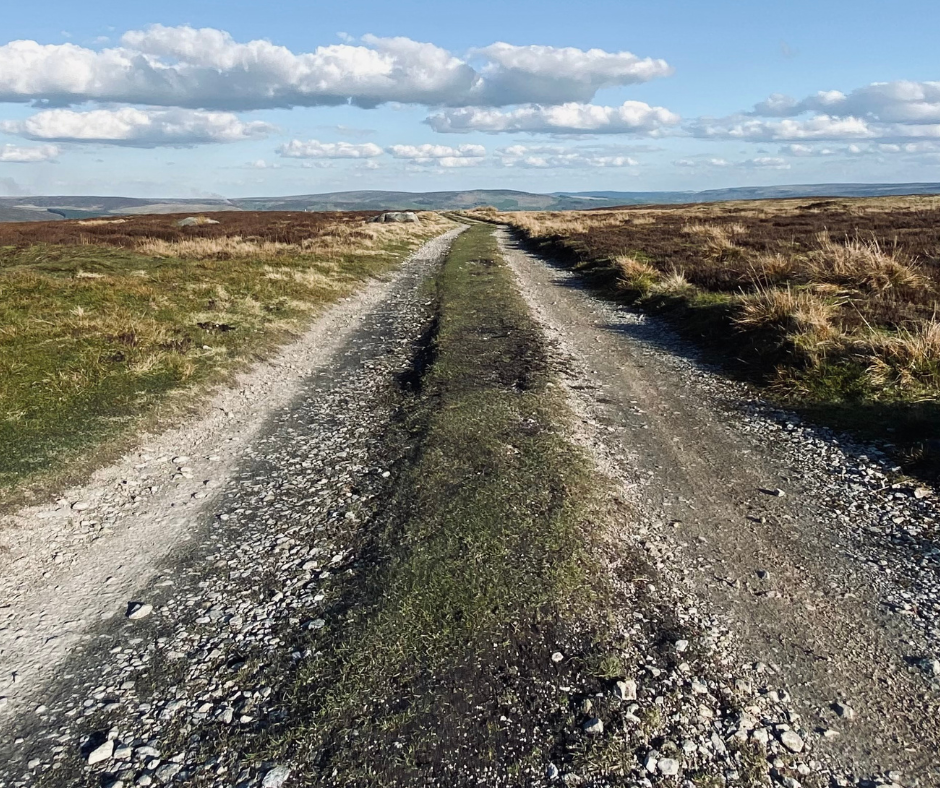
Riders should work on the assumption that their bike becomes mechanical unsound to ride and so they are required to push / walk a long distance off a remote track with no vehicle back up / no emergency rescue. In this situation a rider might have to ‘hunker’ down for the night and proceed forward the next day.
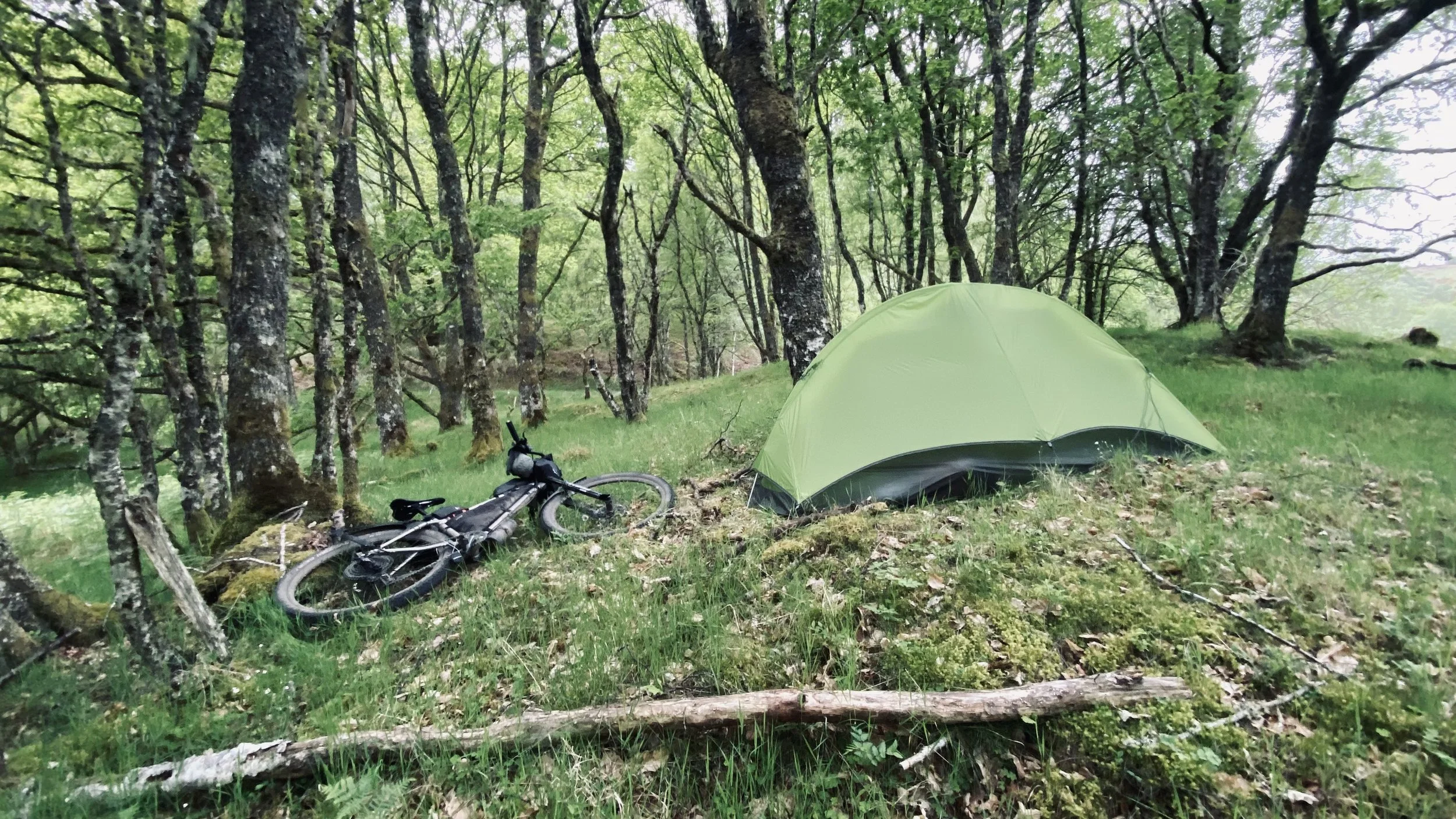
A rider might have booked a bed in cosy Inn in the market town 20 miles away but be unable to reach it and so they need to seek shelter in a woods or in the lee of a wall.