Patience Kershaw
17 years old
Halifax Mine worker
“All my sisters have been hurriers, but three went to the mill. Alice went because her legs swelled from hurrying in cold water when she was hot. I never went to day-school; I go to Sunday-school, but I cannot read or write;
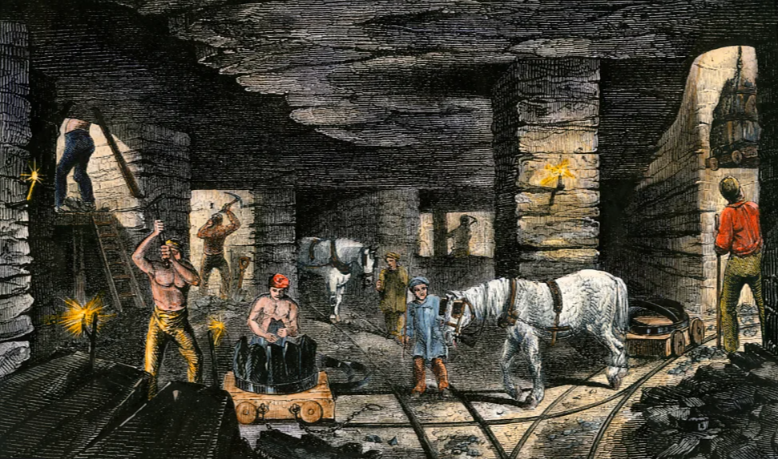
I go to pit at five o'clock in the morning and come out at five in the evening; I get my breakfast of porridge and milk first; I take my dinner with me, a cake, and eat it as I go; I do not stop or rest any time for the purpose; I get nothing else until I get home, and then have potatoes and meat, not every day meat.
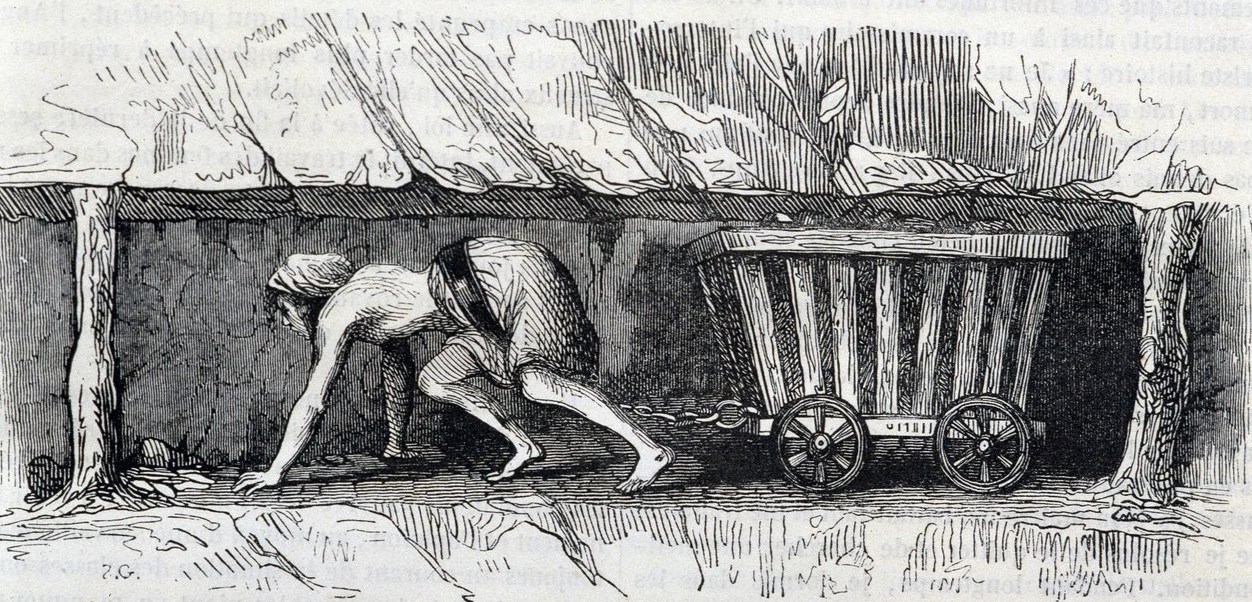
I hurry in the clothes I have now got on, trousers and ragged jacket; the bald place upon my head is made by thrusting the corves; my legs have never swelled, but sisters' did when they went to mill; I hurry the corves a mile and more under ground and back; they weigh 300 cwt.;
I hurry 11 a-day; I wear a belt and chain at the workings, to get the corves out; the getters that I work for are naked except their caps; they pull off all their clothes; I see them at work when I go up;
Sometimes they beat me, if I am not quick enough, with their hands; they strike me upon my back; the boys take liberties with me sometimes they pull me about; I am the only girl in the pit; there are about 20 boys and 15 men; all the men are naked;
I would rather work in mill than in coal-pit.
Hurriers, Bearers and Corves
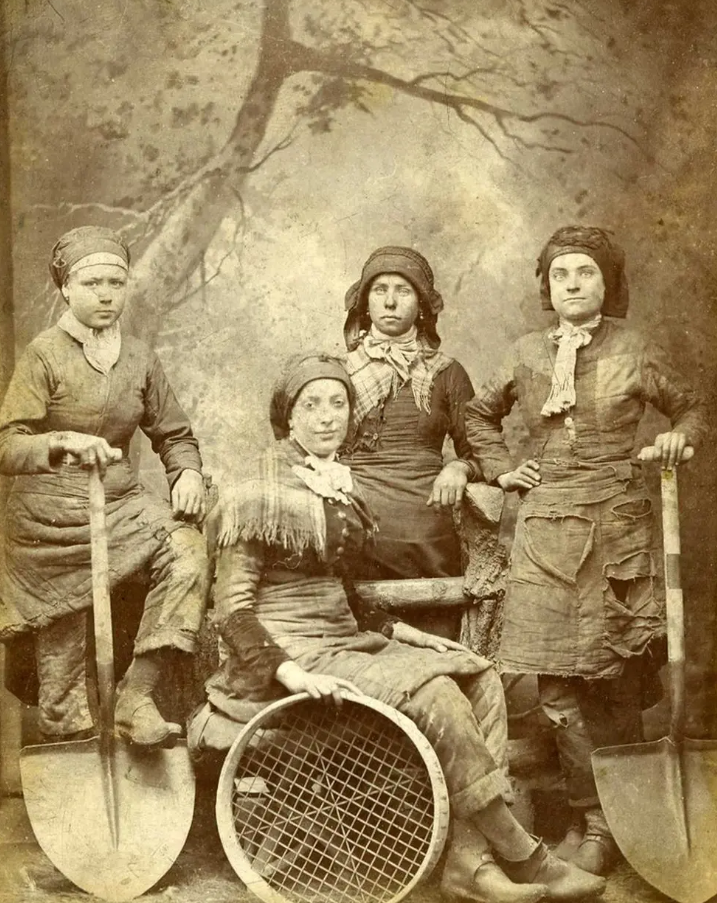
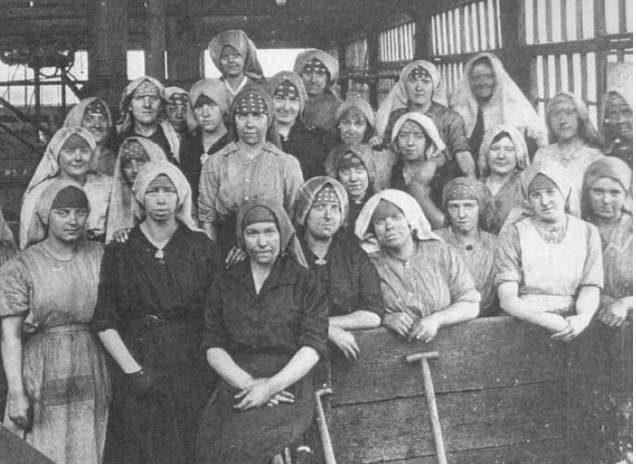
In 1841, 2,350 women were employed in coal mines across Britain. They are part of a largely forgotten story of womens labour and exploitation.
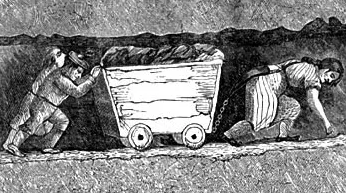
In coal mines women and young girls worked deep underground as hurriers or bearers, harnessed by heavy leather belts and chains tied around their waists to haul or pull heavy coal carts - corves - through narrow, low-ceilinged underground tunnels.
On July 4, 1838, Huskar Coal Pit near Barnsley, was hit by a violent summer thunderstorm which caused a flash flood that filled the coal mine's ventilation shaft.
Twenty six children, who were working underground, mistook the thunder for a mine explosion and tried to escape via the shaft, only to be swept away and drowned by the incoming torrent of water.
The children who lost their lives included 11 girls and 15 boys from 7 to 17 years old.
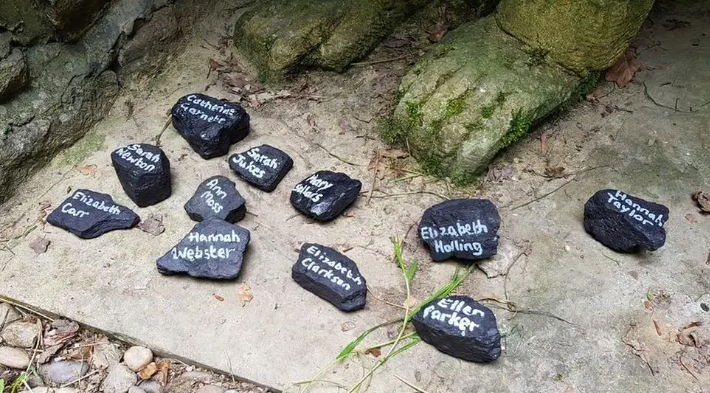
Victorian society was shocked at the news and calls were made for a public inquiry into the employment of minors.
Patience Kershaw was one of the youngsters called to give evidence at the inquiry and so we have her own words recorded in the Parliamentary record. No image exists of Patience.
When the Victorian middle classes read Patience’s testimony in the national newspapers and it became known that girls and women worked semi naked underground in the company of naked men there was a national outcry about the ‘decline in the nations values’. It was a case of ‘broken Britain’.
The testimony Patience Kershaw gave to the Parliamentary Inquiry is recognised as a unique record of the working conditions so many girls and women endured in their invisible labour.
The inquiry recommended a few reforms and the Mines and Collieries Act 1842 was the result. This legislation banned females of any age from working underground and required boys who worked underground, to be no younger than ten years old.
Patience lost her job and detailed investigations by local historians have found that she died a pauper and is buried in a grave near Wakefield.
The Headwaters Trail goes past a memorial to the children of the Huskar Pit Disaster at Silkstone and the Calder Divide Trail goes past the church grave yard in Stanley where Patience is buried.
Parliaments Response to Patience’s Testimony
The official response to Patience’s testimony was as follows:
“This girl is an ignorant, filthy, ragged and deplorable-looking object, and such a one as the uncivilised natives of the prairies would be shocked to look upon.”
Kaye Jones has noted two things in this comment. “The first is that Patience is physically judged. Even though she’s giving evidence about her work, her physical appearance still matters. Secondly, note the racialised judgement in this comment. The commissioners would expect a Black or Brown woman to look this way but not a white woman.”
The Unthanks
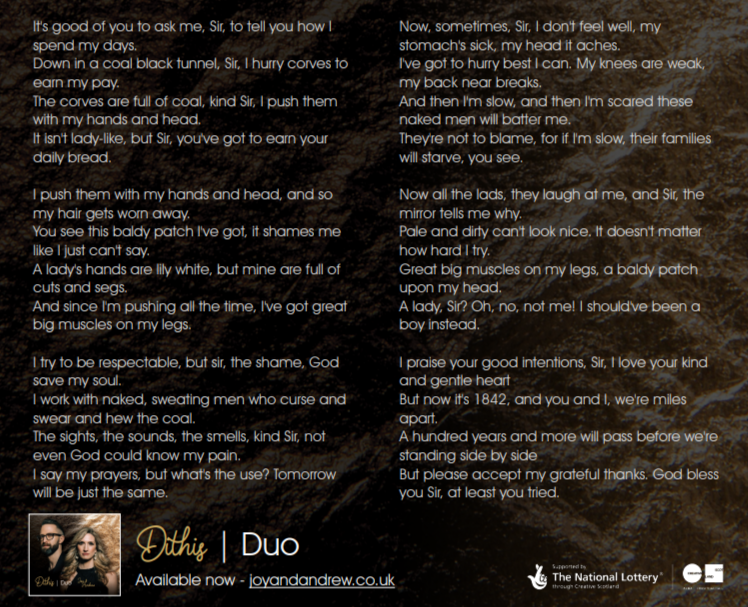
English folk group the Unthanks were inspired by a song that Liverpool artist Frank Higgins wrote in 1969 based on the evidence given by Patience Kershaw before the Government Commission of Enquiry into Child Labour in 1842. Folk singer Hilary Simpson has also recorded this song in 2009.
Patience’s Fury
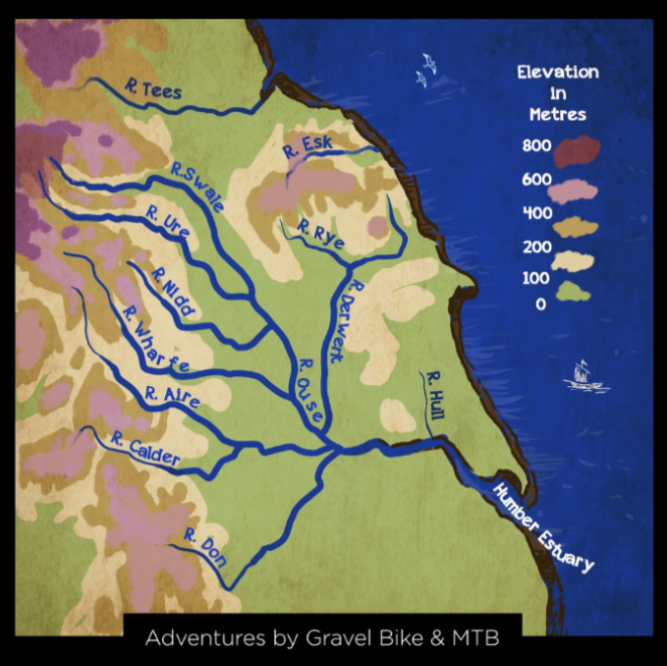
64km / 1,260 metres of climbing
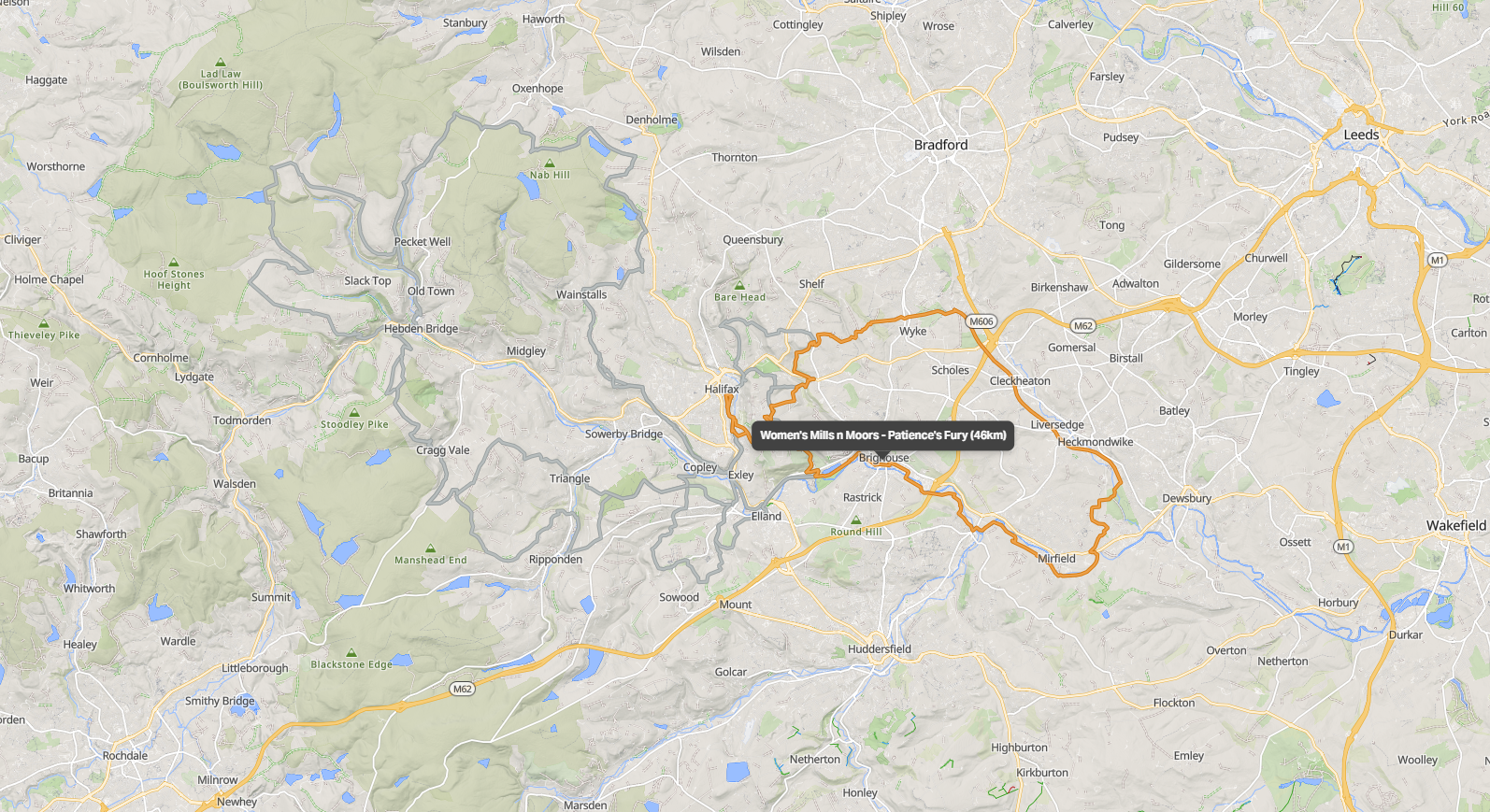
The Patience’s Fury route goes to Shibden which was dotted with mines that employed women and children then onto Low Moor where a coal pit was next to a steel foundry.
We thought it was fitting that the route should climb up and descend Coal Pit Lane. A double days labour.